
 By
By Many understand the basics of brushing and flossing, but fewer realise how powerfully dietary habits can influence oral health. Beyond strong enamel and healthy gums, a carefully considered diet can also contribute to overall confidence in one’s smile, a particularly important factor in a city where first impressions count. Making informed choices about the foods you consume can help preserve dental integrity, potentially reduce the need for costly treatments, and maintain the aesthetic appeal of your teeth well into later life.
How Diet Influences Oral Health More Than You Think
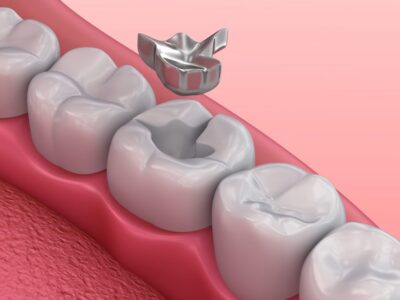
A balanced diet supports the entire body, yet few people connect the dots between what they eat and the condition of their teeth. Every time you take a bite of food, your mouth undergoes a series of chemical reactions. While some foods introduce beneficial vitamins and minerals, others accelerate tooth erosion or feed plaque-producing bacteria. Sugary items, for instance, tend to produce higher amounts of acid when broken down by oral bacteria, which can weaken enamel. Starchy carbohydrates can linger on and between teeth, similarly transforming into sugars that attack enamel if not promptly cleared away.
Calcium, vitamin D, and phosphorus are especially relevant for tooth structure and strength. Teeth, like bones, rely on a steady supply of these minerals to maintain their density and resilience. When a diet is deficient in such elements, teeth may gradually weaken. It is not only the big nutrients that matter, either—trace minerals and vitamins also facilitate essential processes. Vitamin C, for instance, aids gum health by supporting collagen formation, which is vital to the connective tissues that keep gums firm around teeth.
In London, where convenience foods and quick lunches can become the norm, paying attention to these subtle nutritional needs can be quite a challenge. Many people rely on fast meals high in refined carbohydrates or sweets. Over time, these dietary habits chip away at oral health, leading to cavities, gum sensitivity, and aesthetic concerns. For those intent on maintaining a bright, attractive smile, the correct approach to eating might reduce the necessity for interventions from cosmetic dentist patients often seek out.
“An integrative approach to oral care is one of the best ways to protect and enhance a patient’s smile,” says Dr. Sahil Patel of Marylebone Smile Clinic. “It is crucial to remember that the condition of your teeth depends on more than just hygiene products—it is also about what you put into your body day after day. Balanced dietary choices support overall oral health, which in turn helps our cosmetic dentistry treatments deliver even more profound, longer-lasting results.” Dr. Patel emphasises that regular check-ups combined with a mindful diet can significantly reduce the risk of complications, paving the way for a smile that remains strong and aesthetically pleasing over time.
The Key Nutrients for Teeth and Gums
Teeth are highly specialised structures that require a steady influx of minerals to stay healthy. The enamel, which acts as the protective outer shell, is composed primarily of hydroxyapatite, a crystalline calcium phosphate. Maintaining enamel integrity relies on sufficient calcium intake. If the body’s overall supply of calcium is low, it can become difficult to keep teeth fully fortified against bacterial attack and erosion. That is where vitamin D comes in. Vitamin D assists in calcium absorption, ensuring that this essential mineral becomes available for the repair and maintenance of teeth. A deficiency in vitamin D may lead to weaker enamel, making the teeth more vulnerable to acid wear.
Phosphorus partners with calcium and vitamin D to keep teeth robust. Foods like fish, dairy, nuts, and seeds provide a natural blend of phosphorus and other helpful nutrients. Magnesium, found in leafy greens and certain grains, also assists in maintaining tooth strength. Meanwhile, vitamin C has a distinct but equally significant role—ensuring gum tissues remain healthy and less prone to bleeding or inflammation. If you have ever noticed bleeding gums, you might suspect that your brushing technique is too rough. However, vitamin C deficiency can also be a culprit, weakening the collagen framework that supports gum tissue. Over time, insufficient vitamin C can leave gums more susceptible to bacteria and, ultimately, gum disease.
Yet it is not only about what you add to your diet, but also what you avoid. Substances like free sugars, especially those added to beverages and processed foods, feed the bacteria that produce tooth-harming acids. Even fruit juices, while often seen as “healthy,” can be high in natural sugars and acids. A good rule of thumb is to moderate intake and regularly rinse your mouth with water after consuming anything particularly sugary or acidic.
London’s Unique Culinary Landscape and its Impact
London is a diverse metropolis, offering cuisines from every corner of the globe. This abundance comes with opportunities and pitfalls alike. On one hand, varied culinary options make it easy to incorporate foods rich in essential nutrients, such as oily fish, vegetables, and legumes. On the other hand, abundant takeaway options increase the temptation to skip well-balanced meals at home in favour of something quick and potentially high in sugar or salt.
Fish and chips, for example, may be a cultural staple, but battered and fried foods can undermine oral health if over-consumed. The starch in the batter and the high oil content can linger in the mouth. When coupled with sweet beverages or alcoholic drinks, this creates a conducive environment for dental decay. Londoners often find themselves juggling busy schedules, commuting, and social commitments, all of which can push them toward quick meal fixes. While occasional indulgence is unlikely to ruin your teeth, consistent reliance on highly processed foods can expedite issues like enamel erosion and gum inflammation.
Restaurants that serve balanced dishes with plenty of vegetables, lean proteins, and whole grains offer a more sustainable approach. When exploring the city’s culinary scene, it helps to keep in mind how different meals affect your oral health. Sticking to water or unsweetened tea instead of sweetened beverages also reduces the introduction of sugar, giving your enamel a better chance to remain intact. While it might take a little discipline to order responsibly, these small dietary adjustments can pay dividends in the health and longevity of your teeth.
Identifying Common Dietary Pitfalls
One of the biggest challenges in maintaining excellent oral health in a city environment is the prevalence of hidden sugars. Ready-made sauces, condiments, and marinades, commonly found in supermarkets, often contain significant amounts of sugar. Even savoury items may have sugar added for flavour and preservation. Reading labels is a practical way to stay informed about sugar content, but many busy London residents skip this step. Over time, those hidden sugars accumulate and can escalate the risk of decay. Fizzy drinks, whether they are diet or full-sugar, also pose threats. The carbonation and acidity in many drinks erode enamel, laying the groundwork for sensitivity and cavities.
Another pitfall is snacking throughout the day. Grazing on crisps, biscuits, or chocolate in between meals repeatedly bathes the teeth in sugars. Each snack triggers an acid attack that can last up to twenty minutes in the mouth. If you are working in an office environment with frequent tea breaks and sugary treats, it can be easy to forget that each small indulgence adds up. Simply reducing snacking frequency can help your saliva rebalance the pH in your mouth, mitigating some of the damage caused by acids.
Practical Tips for Meal Planning and Oral Health
A balanced approach that emphasises whole foods remains the most direct way to protect teeth. Meals constructed around lean proteins like chicken, fish, or pulses, alongside vegetables and whole grains, provide a natural synergy of nutrients that strengthen and protect teeth. Dairy or fortified plant-based alternatives contribute calcium and vitamin D, while seeds and nuts add magnesium and healthy fats. By ensuring each meal contains a good mix of these components, you create an oral environment that resists bacterial incursion.
Limiting sugary desserts to special occasions or smaller portions also helps. Replacing sugary snacks with cheese, yoghurt, or fruit lower in acidity (like bananas) can spare teeth from constant acid attacks. If you love citrus fruits, it is better to consume them during meals rather than as standalone snacks, because other foods can help reduce the acidic effect. And if you do indulge in a sweet treat, drinking water immediately afterwards can help wash away some of the residual sugar.
Busy Londoners often turn to meal prep as a way to incorporate healthy eating into their schedules. Preparing lunches at home can minimise the risk of hidden sugars and excessive starches. Soups, salads, and grain bowls made with fresh ingredients enable people to control exactly what goes into their meals. Incorporating fibrous vegetables like carrots, broccoli, or spinach provides a gentle scrubbing action for the teeth, while also delivering essential vitamins.
The Importance of Consistency and Moderation
Just as with any aspect of health, consistency is key. While a single sugary drink or a slice of cake will not irreversibly harm your teeth, regular overconsumption certainly might. By adopting balanced eating habits as part of your routine, you effectively reduce the time your teeth spend under acid bombardment. This is where moderate approaches shine. Extreme dietary restrictions are neither necessary nor particularly sustainable. Instead, consider a pattern of mindful choices.
One aspect often overlooked is the daily habit of hydration. Water is essential for saliva production, which serves as the mouth’s natural defence system, neutralising acids and aiding in the repair process for enamel. Keeping a refillable water bottle at hand, especially if you commute or spend long hours at work, can be a constant reminder to stay hydrated. Saliva is one of the body’s best defences, and dehydration can compromise its protective properties.
Lifestyle Factors Beyond Food
Though nutrition is a critical factor, lifestyle also plays a significant role in oral health. Smoking, for instance, can stain teeth, reduce salivary flow, and irritate gum tissues, making the mouth more prone to plaque accumulation. Alcoholic beverages can have a drying effect on the oral cavity. Combined with acidity and sugar, as in wine or certain cocktails, the result can be an environment conducive to enamel wear. In a city with a vibrant nightlife, maintaining a healthy balance with alcohol intake is essential for preserving oral health.
Stress, common in fast-paced metropolitan settings, can lead people to neglect regular dental hygiene or opt for comfort foods loaded with sugar and fat. Some may develop grinding habits (bruxism) when under pressure, which can further damage teeth. While not strictly a dietary concern, stress management can impact your entire routine, including what you eat and how often you brush and floss.
Longer-Term Benefits of a Nutrient-Focused Diet
Focusing on proper nutrition does more than spare you from cavities; it also safeguards your gum health. Strong, healthy gums provide a solid foundation for teeth, reducing the likelihood of gum recession and tooth instability. This becomes increasingly important with age, as receding gums can expose tooth roots and lead to sensitivity or more serious conditions like periodontal disease.
A nutrient-rich diet also tends to encourage better overall health, which translates to improved immune response. When your immune system is robust, your body can more effectively combat oral infections. This diminishes the likelihood of needing extensive treatments in the future, saving both time and expense. Regular consumption of foods that supply antioxidants—such as berries, nuts, and green tea—can further support this aspect of oral health. Antioxidants help counter inflammation, a common factor in gum disease, and aid in the healing process.
In an image-conscious city like London, a healthy smile can make a difference in professional and social contexts alike. Reducing the need for extensive cosmetic treatments by prioritising good nutrition is often seen as a practical way to maintain both aesthetic appeal and genuine oral health. While cosmetic treatments are highly effective at enhancing smiles, a strong baseline of nutrition makes these procedures more likely to succeed and last longer.
When and How to Indulge Responsibly
While moderation is frequently the catch-all phrase for a healthy lifestyle, practically achieving this balance can be challenging. London’s rich array of pastry shops, coffeehouses, and gastropubs can tempt even the most disciplined eater. One strategic move is to enjoy sweets or refined carbs alongside a meal, rather than as separate snacks. When you eat sugar-rich items with a meal, the presence of other foods increases saliva production, diluting the sugars and helping to neutralise acids more quickly. Additionally, finishing a meal with a piece of cheese or rinsing your mouth with plain water can help reduce acid levels before they take a toll on your enamel.
Another effective tactic is to be mindful of the time you allow your teeth to be exposed to sugar or acid. Instead of nursing a sweet drink for an hour, drink it in a shorter span, and then follow with water. This minimises the length of each acid attack, offering your teeth more time in a neutral or slightly alkaline state, which promotes remineralisation.
The Link Between Healthy Smiles and Confidence
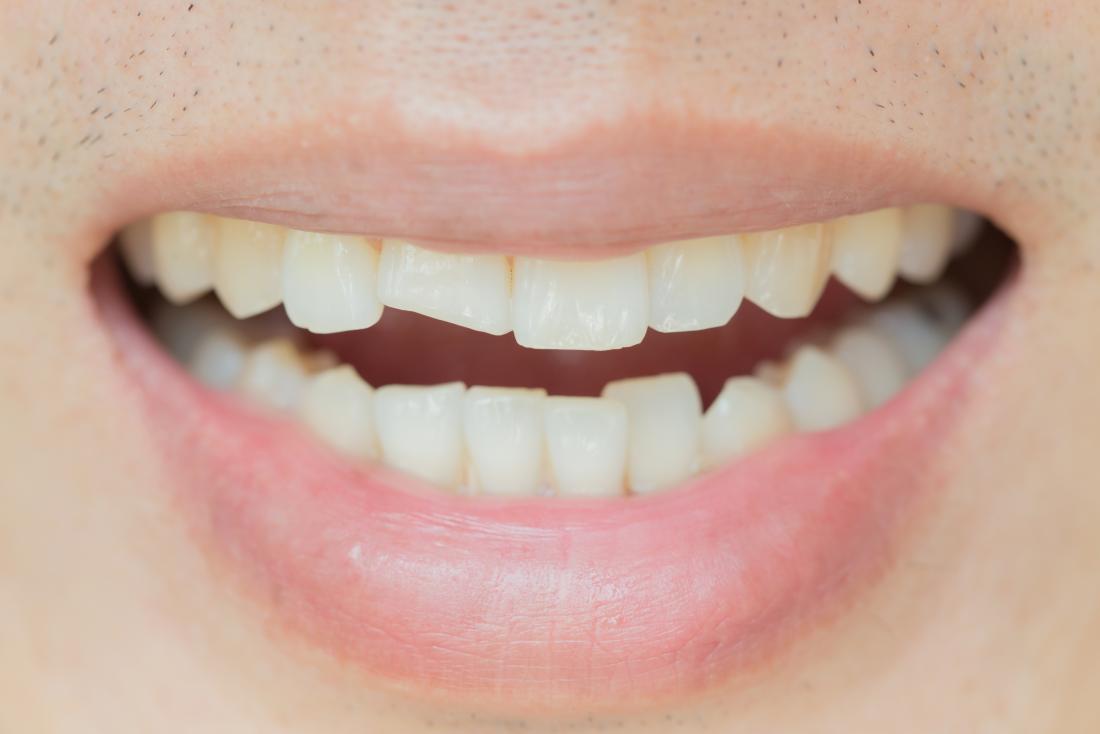
It is often said that a smile is one of the first features people notice. For London’s residents, the intersection of personal and professional life frequently necessitates a polished appearance. A confident smile can open doors, foster positive interactions, and reflect a level of self-care that resonates with others. By focusing on nutrition, you effectively provide the foundation for a healthy smile, reducing the likelihood of complications such as discolouration, chips, or gum disease.
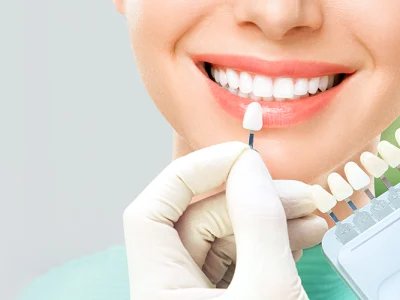
In recent years, demand has grown for treatments that straighten, whiten, or reshape teeth, with the “cosmetic dentist London” demographic of patients expanding. Yet these procedures often rely on healthy underlying structures to deliver truly transformative results. A veneer placed on a tooth suffering from poor enamel quality or gum disease may not achieve optimal longevity or aesthetics. Hence, a well-rounded diet serves as the stepping stone that enables cosmetic enhancements to excel.
Considering Professional Guidance
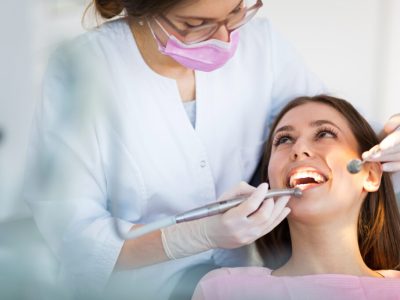
Regular dental check-ups remain indispensable for maintaining oral health. In these appointments, dental professionals can spot early signs of enamel erosion, gum inflammation, or other symptoms related to nutritional deficiencies. Diet-related concerns such as chronic dryness or sensitivity can also come to light. When identified early, these can be addressed with targeted interventions, which may include dietary modifications or medical treatments.
In London, many dental practices emphasise preventive care, advising patients on the impact of diet and lifestyle choices. Clinics that specialise in cosmetic dentistry may do so as well, because the quality of your natural teeth heavily affects the final outcome of aesthetic treatments. Adopting the mindset that regular cleanings and exams are just as essential as any cosmetic procedure can ensure that both the function and the appearance of your teeth are optimised.
Potential Concerns About Modern Trends
Some people may turn to highly restrictive eating plans in a bid to manage weight or follow popular trends. Keto, vegan, or raw food diets can each pose particular challenges for oral health if they are not approached in a balanced way. A vegan diet, for instance, can be low in vitamin B12 and calcium if not carefully managed, which can affect gum health and bone density. Meanwhile, a keto diet often revolves around foods high in protein and fats, which can be beneficial in some respects, but sugary snacks can creep in as “cheat” items if not tracked accurately.
Supplements can fill nutritional gaps, but it is essential to understand that pills do not always replicate the benefits of whole foods. The fibre, water content, and synergy of vitamins and minerals in natural foods offer advantages that are difficult to match with supplements alone. Before embarking on a new dietary regime, consulting with both a nutritionist and a dental professional can help ensure you do not inadvertently compromise oral health.
Hidden Dangers of Convenience Foods
Sandwiches, protein bars, and pre-packaged salads might seem like healthy choices, yet many contain dressings or sauces loaded with sugars. Food manufacturers often add high-fructose corn syrup, dextrose, or other sweeteners to enhance flavour. While these sweeteners might make the meal more palatable, they also create an environment for bacteria to thrive in the mouth. Even when these foods contain beneficial vitamins, the overall impact can be mixed. A sandwich with white bread, mayonnaise, and sweet sauce may provide protein from the filling, but also an ample serving of refined carbs that can lodge between teeth.
It is not always feasible to cook every meal from scratch, especially in London’s hectic environment. However, a little extra attention when shopping can help you avoid these pitfalls. Selecting items with minimal added sugars, or choosing whole-grain bread over white, can significantly reduce the likelihood of plaque build-up. If convenience is a priority, some shops now provide clearer labelling for sugar content, making it easier to compare options quickly.
Beyond Teeth: Wider Health Implications
The relationship between nutrition and oral health also reflects broader wellbeing. Gum disease, if left unchecked, has been linked with systemic conditions such as heart disease and diabetes. While the precise mechanisms require more research, it appears that inflammation and bacteria originating in the mouth can potentially spread throughout the body. This underscores the importance of maintaining good oral hygiene, supported by smart dietary choices.
A diet that is consistently high in sugars does not only affect the teeth; it can contribute to weight gain, metabolic issues, and an increased risk of type 2 diabetes. Similarly, excessive alcohol consumption can strain liver function, weaken the immune system, and exacerbate dehydration, all of which can lead to an environment in the mouth that favours bacteria and plaque formation. Opting for nutritious meals, staying hydrated, and moderating alcohol intake benefit both your oral health and your overall condition.
Enhancing Your Smile for the Long Term
Adopting a nutrition-focused strategy for oral health stands to offer both immediate and long-term advantages. Teeth become less susceptible to decay, gums stay healthier, and professional treatments—whether restorative or cosmetic—can achieve better outcomes. While London’s lifestyle may be fast-paced and occasionally stressful, it also offers abundant resources for health-conscious individuals, from farmers’ markets that supply fresh produce to numerous dental clinics that prioritise preventive care.
Many Londoners seeking to refine their appearance find that simple dietary tweaks produce visible improvements in how their teeth look and feel. Less plaque build-up means fewer stains, and stronger enamel can better endure daily wear. This comprehensive approach makes cosmetic enhancements, like whitening or veneers, easier to maintain. Moreover, the sense of pride that accompanies a well-maintained smile often motivates people to continue their healthy choices, creating a positive cycle of improvement.
Conclusion
Nutrition is a foundational element of oral health, affecting everything from the strength of your teeth to the resilience of your gums. In a city as diverse and vibrant as London, food choices are plentiful, but so are risks tied to excessive sugar and processed meals. By emphasising nutrient-rich foods, managing sugar intake, and staying hydrated, you can protect and enhance your smile, mitigating the need for extensive treatments later on. The consistent practice of good dietary habits can ensure that any interventions—be they preventive or cosmetic—provide the maximum benefit, helping you maintain a confident, bright smile for years to come.
London’s exceptional range of culinary experiences need not be at odds with optimal dental health. Balancing indulgence with mindful choices paves the way for a robust set of teeth and healthy gums. Monitoring labels, limiting snacking, and focusing on whole foods are all strategies that align well with an active, modern lifestyle. By staying aware of the interplay between diet and oral health, you equip yourself with the tools needed to safeguard your smile, whether your goals are purely functional or aesthetically driven. The city may be fast-paced, but your approach to oral care can remain purposeful and grounded, ensuring that your teeth continue to serve you well through every stage of life.