
 By
By Understanding the Importance of Comprehensive Dental Care
Dental care is a critical part of overall health, yet it’s often underestimated until problems arise. A healthy mouth is not only vital for chewing and speaking but also serves as a window into your body’s general condition. Numerous studies link oral health to systemic diseases like diabetes, heart disease, and even certain types of cancer. Proper dental care ensures early detection of issues, reduces long-term costs, and enhances overall well-being.
In the United States, the approach to dental care has evolved from reactive treatment to preventive and aesthetic excellence. Dentists today emphasize routine maintenance, advanced diagnostics, and patient education to preserve natural teeth for life. From regular checkups to modern restorative techniques, dental care is now a comprehensive field that supports both health and confidence.
The Foundation of Oral Health: Daily Dental Hygiene
Healthy teeth start with consistent at-home care. Brushing and flossing form the cornerstone of dental hygiene, but technique and frequency matter as much as consistency. Many people brush daily but fail to remove plaque effectively, leading to gum disease or decay.
Best practices for daily oral care include:
- Brushing: Use a soft-bristled toothbrush and fluoride toothpaste twice daily. Brush for at least two minutes, covering all surfaces of each tooth.
- Flossing: Clean between your teeth once daily to remove food particles and plaque that a brush cannot reach.
- Mouthwash: Rinse with an antiseptic or fluoride mouthwash to kill bacteria and strengthen enamel.
- Tongue Cleaning: Use a scraper or brush to eliminate bacteria buildup on the tongue, a common cause of bad breath.
For individuals with orthodontic appliances or bridges, interdental brushes and water flossers can provide better access to hard-to-reach areas.
Professional Dental Visits and Preventive Care
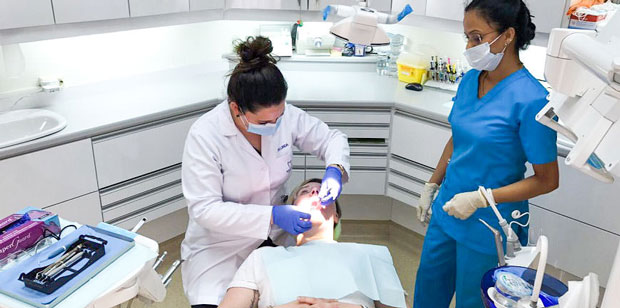
While home care maintains day-to-day hygiene, professional dental visits provide deep cleaning and early detection. Dentists recommend visiting every six months for an exam and cleaning. During these visits, your dentist assesses oral health, removes tartar buildup, and checks for signs of decay, gum disease, and oral cancer.
A typical professional visit includes:
- Comprehensive examination: The dentist checks teeth alignment, gum health, and jaw function.
- Professional cleaning: Hygienists remove tartar and polish teeth to reduce plaque accumulation.
- Digital X-rays: These reveal cavities, bone loss, and other hidden issues.
- Fluoride treatment: Strengthens enamel and helps prevent decay, especially in children.
Preventive care aims to address problems early before they escalate into painful or expensive procedures.
Common Dental Conditions and Their Management
1. Tooth Decay
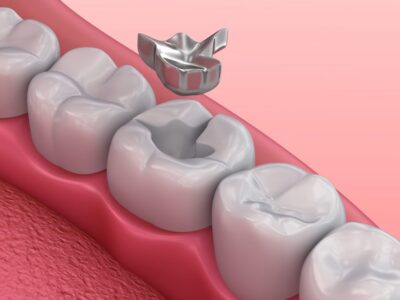
Tooth decay, or dental caries, results from plaque buildup that produces acids damaging the enamel. Early-stage decay can often be reversed through remineralization with fluoride treatments, while advanced cases require fillings or crowns.
Prevention tips:
- Limit sugary and acidic foods.
- Use fluoride toothpaste daily.
- Schedule regular cleanings to remove plaque.
2. Gum Disease
Gum disease, also known as periodontal disease, affects the tissues surrounding the teeth. It begins as gingivitis, causing redness and bleeding, and can progress to periodontitis, leading to tooth loss if untreated.
Signs include:
- Swollen or bleeding gums
- Receding gum line
- Persistent bad breath
- Loose teeth
Treatment may involve scaling, root planing, antibiotics, and ongoing maintenance to restore gum health.
3. Tooth Sensitivity
Tooth sensitivity occurs when enamel wears down or gums recede, exposing the underlying dentin. Hot or cold foods may trigger discomfort. Using desensitizing toothpaste and avoiding abrasive brushing can help. Persistent sensitivity should be evaluated for cracks, cavities, or gum recession.
4. Tooth Loss and Replacement Options
Tooth loss can affect chewing, speech, and self-confidence. Modern dentistry offers advanced solutions, including dental implants, bridges, and dentures, which restore both function and aesthetics. Implants are especially popular for their durability and natural appearance.
Cosmetic Dentistry and the Rise of Aesthetic Care
Beyond maintaining oral health, many individuals pursue cosmetic dentistry to enhance their smile’s appearance. Today’s dental practices combine technology with artistry to deliver beautiful results while preserving tooth integrity.
Popular cosmetic treatments include:
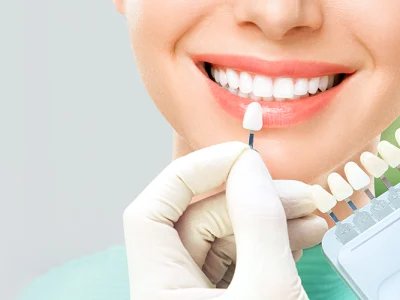
- Teeth Whitening: A non-invasive way to remove stains caused by coffee, wine, and tobacco.
- Veneers: Thin porcelain layers bonded to teeth to correct shape, size, and color imperfections.
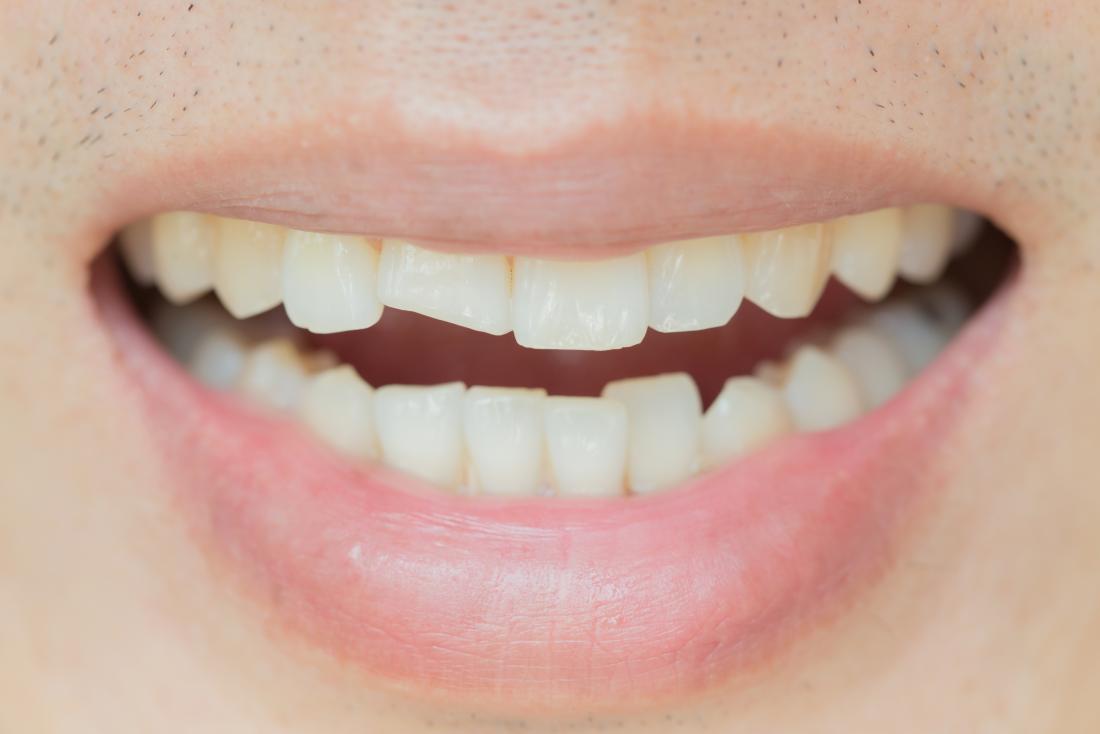
- Dental Bonding: A cost-effective solution for chips or minor gaps.
- Invisalign and Orthodontics: Clear aligners and braces correct misalignment discreetly.
Cosmetic dentistry not only boosts confidence but also improves oral function and hygiene by aligning teeth properly.
Pediatric Dental Care: Building Healthy Habits Early
Children’s dental care requires special attention to ensure healthy development of primary and permanent teeth. Pediatric dentists specialize in providing gentle, preventive, and educational care for young patients.
Key elements of pediatric dental care include:
- Early visits: The first dental appointment should occur within six months of the first tooth eruption.
- Fluoride varnishes: Prevent cavities in developing teeth.
- Sealants: Protective coatings applied to molars to prevent decay.
- Diet guidance: Parents should limit sugary drinks and encourage fruits, vegetables, and dairy for strong enamel.
Establishing regular dental visits early helps children overcome dental anxiety and develop lifelong oral hygiene habits.
The Role of Nutrition in Dental Health
Diet plays an essential role in maintaining strong teeth and gums. Nutrients such as calcium, phosphorus, and vitamin D contribute to enamel strength and bone density. Conversely, excessive sugar intake accelerates tooth decay.
Dental-friendly dietary tips:
- Eat crunchy fruits and vegetables like apples and carrots that naturally clean teeth.
- Choose dairy products such as milk, yogurt, and cheese for calcium.
- Stay hydrated with water instead of sugary beverages.
- Avoid sticky candies that linger on teeth.
Maintaining a nutrient-rich diet complements brushing and professional care, providing an additional layer of protection.
Technological Advancements in Modern Dentistry
Modern dental care relies on innovation to enhance comfort, precision, and efficiency. Clinics across the United States are embracing technology that minimizes discomfort and improves long-term outcomes.
Leading technologies shaping dentistry include:
- Digital X-rays: Provide clearer images with reduced radiation exposure.
- 3D Imaging and CAD/CAM Technology: Allow for same-day crowns and accurate restorations.
- Laser Dentistry: Enables painless cavity treatment and gum contouring.
- AI Diagnostics: Helps detect decay and oral conditions earlier than human evaluation alone.
- Sedation Dentistry: Offers anxiety-free treatment experiences for patients with dental phobia.
Technology not only improves treatment accuracy but also enhances patient confidence and satisfaction.
The Importance of Preventive Dentistry for Adults and Seniors
Preventive care doesn’t stop at childhood; it becomes even more critical with age. Adults face unique dental challenges, including wear, gum recession, and dry mouth caused by medications. Seniors, in particular, require ongoing monitoring to prevent bone loss and maintain denture or implant integrity.
Preventive strategies for adults and seniors:
- Schedule biannual cleanings and exams.
- Address grinding or clenching (bruxism) through mouthguards.
- Manage dry mouth with hydration and sugar-free lozenges.
- Maintain proper denture hygiene.
Regular visits allow early detection of oral cancers and systemic issues linked to oral health, such as cardiovascular disease.
The Connection Between Oral and Overall Health
Oral health has profound implications for the body’s overall health. Bacteria from gum disease can enter the bloodstream, contributing to inflammation and chronic illness. Likewise, conditions like diabetes make gums more susceptible to infection.
Health conditions linked to poor oral hygiene include:
- Heart disease and stroke
- Respiratory infections
- Complications in pregnancy and birth weight
- Osteoporosis and joint disorders
Maintaining good oral hygiene and visiting your dentist regularly can significantly reduce the risk of these systemic issues.
Environmental and Lifestyle Factors Affecting Oral Health
Modern lifestyles pose new challenges for maintaining oral health. Factors such as smoking, stress, and poor dietary habits contribute to declining dental wellness.
Lifestyle tips for better dental health:
- Quit smoking and tobacco use to prevent gum disease and oral cancer.
- Limit alcohol, which can dry the mouth and weaken enamel.
- Manage stress to avoid grinding and clenching.
- Wear protective mouthguards during sports.
A conscious lifestyle approach enhances both dental and overall health.
FAQs
How often should I replace my toothbrush?
You should replace your toothbrush every three months or sooner if the bristles become frayed. Worn bristles fail to clean effectively and can harbor bacteria.
Is professional teeth whitening safe for sensitive teeth?
Yes, professional whitening is generally safe, though patients with sensitive teeth should use desensitizing products before treatment and avoid extremely hot or cold foods afterward.
Can gum disease be reversed?
Gingivitis, the early stage of gum disease, can be reversed through professional cleaning and improved hygiene. Advanced periodontitis, however, requires more intensive therapy.
What are the signs that I need a dental crown instead of a filling?
If a tooth is severely decayed or structurally weak, your dentist may recommend a crown instead of a filling to restore strength and prevent fractures.
How does stress impact dental health?
Chronic stress can lead to jaw clenching, teeth grinding, and gum inflammation. Managing stress through exercise, relaxation, and professional care can help protect your oral health.