 By
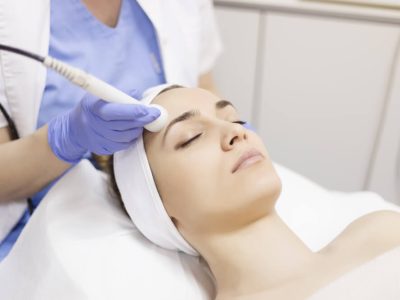
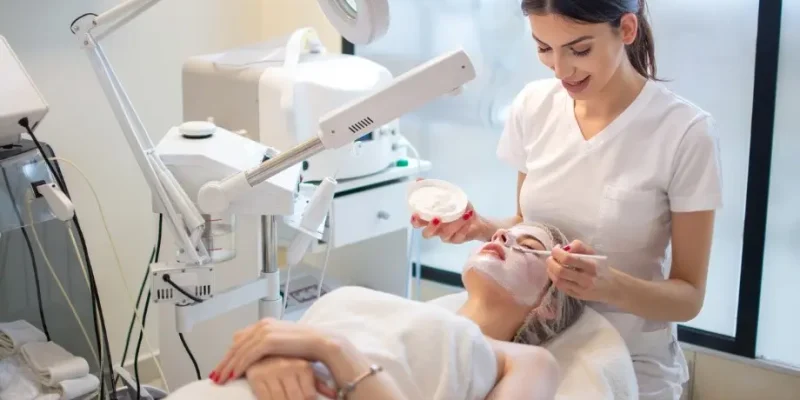
By Undergoing professional skin treatments can be an exciting step toward achieving a radiant and youthful complexion. Whether you have just received a chemical peel, a microneedling session, laser resurfacing, or advanced exfoliation, your skin undergoes a controlled trauma process to trigger healing and regeneration. During this vulnerable recovery phase, maintaining optimal moisture levels is not just a helpful suggestion; it is an absolute physiological necessity. Understanding the complex relationship between post-procedure skin healing and hydration helps protect your investment and ensures the best possible clinical outcomes.
The Biological Impact of Cosmetic Treatments on the Skin Barrier
To understand why hydration is so crucial after a clinical procedure, you must first examine how these treatments affect the skin barrier. The outermost layer of your skin, known as the stratum corneum, acts as a protective shield against environmental pathogens, pollutants, and excessive moisture loss. Many aesthetic procedures intentionally disrupt this barrier to stimulate the deeper dermal layers.
When a chemical peel dissolves intercellular glue or a laser vaporizes microscopic columns of tissue, the skin temporary loses its primary defense mechanism. This disruption leads to a phenomenon known as transepidermal water loss. Water from the deeper layers of the skin evaporates rapidly through the compromised barrier, leaving the tissue severely dehydrated, tight, and vulnerable to irritation. Without external and internal water replenishment, the skin struggles to repair itself efficiently, which can prolong downtime and diminish the visual benefits of the treatment.
Accelerating Cellular Repair and Recovery
Water is the primary medium in which all cellular metabolic processes occur. When your skin is recovering from a clinical procedure, millions of cells are working overtime to synthesize new proteins, repair cellular damage, and rebuild the extracellular matrix. Hydration directly influences the speed and quality of this biological repair work.
-
Nutrient Transport: Water-based bodily fluids transport essential vitamins, minerals, and amino acids directly to the recovering skin cells.
-
Enzyme Function: Many of the enzymatic reactions responsible for collagen synthesis and cellular turnover require an aqueous environment to function at peak efficiency.
-
Waste Removal: Proper fluid intake and topical moisture help flush out metabolic waste products generated during the inflammatory phase of healing.
When you keep your skin adequately hydrated, you create an optimal environment for fibroblasts and keratinocytes to proliferate. This accelerated cellular turnover minimizes the risk of prolonged redness, flaking, and secondary infections, allowing you to transition smoothly back to your normal routine.
Preventing Complications and Minimizing Downtime
Neglecting proper hydration after an intensive skin treatment can lead to a cascade of unwanted side effects. Dehydrated skin is inherently more fragile, inflamed, and reactive. When the moisture barrier breaks down completely, the skin becomes prone to micro-fissures that allow bacteria and irritants to enter easily.
Furthermore, dry skin heals more slowly and unevenly. If a resurfacing procedure leaves the skin parched, you may experience excessive scaling, persistent burning sensations, and prolonged post-inflammatory hyperpigmentation. This is particularly true for individuals with melanin-rich skin tones, where inflammation and dryness can trigger stubborn pigmentary changes. By prioritizing intensive hydration with gentle, biocompatible ingredients, you reinforce the healing tissue, reduce discomfort, and significantly shorten your overall social downtime.
Choosing the Right Post-Procedure Hydration Products
Not all moisturizers are created equal, especially when applied to compromised post-procedure skin. Standard lotions and creams often contain fragrances, essential oils, emulsifiers, and synthetic preservatives that can cause stinging, contact dermatitis, or allergic reactions on freshly treated skin.
During the initial recovery window, your skincare routine should be streamlined and focused entirely on barrier repair. Look for medical-grade or sensitive-skin formulations that contain specific classes of moisturizing agents:
-
Humectants: Ingredients like hyaluronic acid and glycerin draw moisture from the atmosphere and deeper skin layers into the stratum corneum, plumping the tissue.
-
Emollients: Ceramides, squalane, and fatty acids fill in the gaps between skin cells, smoothing rough textures and softening the surface.
-
Occlusives: Petrolatum or dimethicone create a breathable protective seal over the skin, locking in active ingredients and preventing moisture evaporation.
Your practitioner will typically recommend a bland, hypoallergenic cleanser paired with a restorative ointment or cream for the first few days. You should strictly avoid active ingredients such as retinoids, alpha-hydroxy acids, beta-hydroxy acids, and vitamin C serums until your skin barrier has completely healed.
Internal Hydration Versus Topical Moisture
While applying rich creams and serums directly to the face is essential, topical products alone cannot solve post-treatment dehydration. True recovery requires a dual approach that combines targeted topical care with robust internal hydration.
Drinking adequate amounts of water throughout the day ensures that your circulatory system can supply the skin with the hydration it needs from the inside out. When you are systemically dehydrated, your body prioritizes water distribution to vital internal organs, leaving the skin as a low-priority destination. Maintaining steady fluid intake supports overall blood volume and microcirculation, ensuring that oxygen and nutrients reach the newly treated dermal tissues efficiently.
Frequently Asked Questions
Can I drink too much water when trying to heal my skin after a treatment?
While staying hydrated is vital, drinking excessive amounts of water beyond your natural thirst levels does not accelerate skin healing further and can occasionally disrupt electrolyte balances. Aim for steady, comfortable hydration throughout the day rather than forcing large quantities.
How soon after my procedure can I resume using my regular hyaluronic acid serum?
This depends entirely on the specific depth and type of treatment you received. For superficial treatments, you may apply hyaluronic acid almost immediately if the formula is sterile and fragrance-free, but deeper procedures may require waiting until the initial epithelialization phase is complete, typically 24 to 72 hours.
Does air conditioning or indoor heating affect my skin recovery after a procedure?
Yes, indoor climate control systems significantly reduce ambient humidity, which accelerates transepidermal water loss from recovering skin. Using a cool-mist humidifier in your bedroom during the healing phase can help maintain a supportive environment for your moisture barrier.
Why does my skin feel oily yet dry and tight after a chemical peel?
This paradoxical feeling occurs because the skin barrier is severely dehydrated and overcompensating by producing excess sebum while the underlying tissue lacks actual water content. Focusing on lightweight, water-binding humectants helps normalize this balance without clogging pores.
Are sheet masks safe to use immediately following a professional skin treatment?
Standard store-bought sheet masks often contain active botanicals, fragrances, and preservatives that can irritate compromised skin and lead to adverse reactions. You should only use specialized, practitioner-approved medical-grade recovery masks during the initial healing window.
How does caffeine or alcohol consumption impact my skin recovery timeline?
Both caffeine and alcohol possess diuretic properties and can contribute to systemic dehydration, which impairs microcirculation and slows down the delivery of essential nutrients to healing skin cells. It is best to minimize or avoid them for the first few days post-treatment.
What is your reaction?
Excited
0
Happy
0
In Love
0
Not Sure
0
Silly
0