
 By
By Understanding the Science Behind Skin Care
Skin care is not just about looking good; it’s about maintaining the body’s largest organ—your skin—in optimal health. The skin serves as a protective barrier against pollution, bacteria, and harmful UV rays while also regulating temperature and hydration. Proper care helps prevent premature aging, acne, hyperpigmentation, and other conditions that affect both appearance and confidence.
In today’s world, with increasing exposure to environmental stressors and changing lifestyles, developing a structured, evidence-based skin care routine has become essential. The best approach is not about chasing trends but understanding what your skin needs and addressing it with precision.
This guide explores the anatomy of skin, how to build an effective routine, the importance of ingredients, and how lifestyle, diet, and professional care all contribute to maintaining healthy skin at every age.
The Layers and Functions of the Skin
Before diving into products and treatments, it’s crucial to understand how the skin works. The skin has three main layers, each serving a specific role:
- Epidermis: The outermost layer responsible for protection. It contains keratinocytes that form the skin barrier and melanocytes that produce pigment.
- Dermis: The middle layer where collagen, elastin, and blood vessels are located. This layer provides firmness and elasticity.
- Hypodermis (Subcutaneous Layer): Composed of fat and connective tissue, it acts as insulation and shock absorption.
Each layer requires nutrients, hydration, and oxygen to function properly. Effective skin care ensures that all these layers remain healthy and resilient over time.
Building a Consistent Skin Care Routine
Consistency is the foundation of skin care success. While product choices vary based on skin type, the routine structure remains universal. A basic yet effective regimen consists of four essential steps: cleansing, treating, moisturizing, and protecting.
Step 1: Cleansing
Cleansing removes dirt, oil, sweat, and makeup buildup that can clog pores. Choose a gentle cleanser suited to your skin type:
- For dry skin: Cream or oil-based cleansers that maintain moisture balance.
- For oily or acne-prone skin: Gel or foam cleansers with salicylic acid or tea tree extract.
- For sensitive skin: Fragrance-free, pH-balanced options with soothing ingredients like aloe vera.
Avoid over-cleansing, which can strip natural oils and compromise the barrier function. Twice a day—morning and evening—is ideal for most skin types.
Step 2: Exfoliation (1–2 times per week)
Exfoliation removes dead skin cells, promoting cell turnover and a smoother texture. It can be physical (using scrubs) or chemical (using alpha-hydroxy acids like glycolic acid or beta-hydroxy acids like salicylic acid).
Benefits of exfoliation:
- Prevents clogged pores and breakouts
- Enhances product absorption
- Stimulates collagen production
Be cautious not to over-exfoliate, as it can lead to irritation, redness, and barrier damage.
Step 3: Treatment (Serums and Actives)
This step targets specific concerns like wrinkles, dark spots, or acne. Serums deliver concentrated active ingredients that penetrate deeper into the skin.
Popular and effective ingredients include:
- Vitamin C: Brightens skin and combats oxidative damage.
- Retinol (Vitamin A): Stimulates collagen and reduces fine lines.
- Niacinamide: Calms inflammation and evens out skin tone.
- Hyaluronic Acid: Provides intense hydration and plumping effects.
- Peptides: Support elasticity and skin repair.
When introducing active ingredients, start with lower concentrations and gradually build tolerance.
Step 4: Moisturizing
Moisturizers lock in hydration and strengthen the skin barrier. The key is to choose one based on your skin’s hydration needs.
- Dry skin: Look for ceramides, shea butter, or glycerin.
- Oily skin: Use lightweight, oil-free gel moisturizers with ingredients like squalane.
- Combination skin: Layer different products for specific areas as needed.
Applying moisturizer while the skin is slightly damp maximizes hydration retention.
Step 5: Sun Protection
Sunscreen is non-negotiable. UV rays accelerate aging, cause pigmentation, and increase the risk of skin cancer. Use broad-spectrum SPF 30 or higher every day, regardless of weather or indoor setting.
Two types of sunscreens:
- Mineral (Physical): Uses zinc oxide or titanium dioxide to reflect UV rays. Ideal for sensitive skin.
- Chemical: Absorbs UV radiation through organic compounds like avobenzone or octinoxate.
Reapply sunscreen every two hours when outdoors, especially during prolonged sun exposure.
Understanding Skin Types and Conditions
Knowing your skin type is key to choosing suitable products and treatments. The main categories include:
- Normal skin: Balanced oil and hydration levels. Minimal issues.
- Dry skin: Flaky, tight, or dull appearance due to lack of moisture.
- Oily skin: Shiny texture with enlarged pores, prone to acne.
- Combination skin: Oily T-zone with dry cheeks.
- Sensitive skin: Easily irritated by fragrances, harsh ingredients, or environmental changes.
In addition, skin conditions like acne, rosacea, eczema, or hyperpigmentation may require targeted care guided by dermatological advice.
The Role of Diet and Hydration in Skin Health
Your skin reflects your internal health. A nutrient-rich diet supports elasticity, cell repair, and natural glow.
Essential nutrients for radiant skin:
- Vitamin A: Promotes cell renewal. Found in carrots, spinach, and eggs.
- Vitamin E: Protects against oxidative stress. Present in nuts, seeds, and avocados.
- Zinc: Regulates oil production and reduces inflammation.
- Omega-3 Fatty Acids: Found in salmon, flaxseeds, and walnuts for hydration and barrier support.
Hydration is equally vital. Water flushes toxins and maintains skin elasticity. While eight glasses daily is a general guideline, needs may vary based on activity and climate.
Environmental Factors Affecting Skin Health
Modern environments expose skin to pollutants, UV radiation, and artificial light, all of which accelerate damage and aging.
Ways to minimize environmental damage:
- Use antioxidants like Vitamin C and E to neutralize free radicals.
- Incorporate SPF daily, even indoors.
- Remove makeup thoroughly before bed to prevent buildup.
- Install humidifiers in dry environments to maintain moisture.
Urban dwellers especially benefit from protective skin care that shields against airborne pollutants.
The Connection Between Sleep and Skin Regeneration
Sleep is when the skin repairs itself. During deep rest, blood flow increases, and the body produces collagen and human growth hormone—both vital for regeneration. Lack of quality sleep leads to dullness, dark circles, and inflammation.
Tips for better skin through sleep:
- Maintain a consistent bedtime schedule.
- Sleep on silk or satin pillowcases to minimize friction.
- Avoid caffeine or screen time before bed.
- Keep skin hydrated with a nighttime moisturizer or sleeping mask.
Professional Skin Care Treatments
While at-home care forms the foundation, professional treatments enhance and accelerate results.
Common in-office procedures include:
- Chemical Peels: Exfoliate with acids to treat pigmentation and fine lines.
- Microneedling: Stimulates collagen through controlled micro-injuries.
- Laser Therapy: Targets scars, pigmentation, and uneven tone.
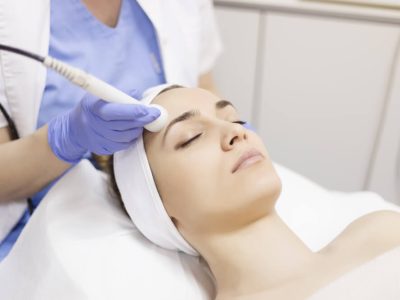
- Hydrafacials: Cleanse, extract, and hydrate simultaneously.
- LED Light Therapy: Uses specific wavelengths to treat acne and boost collagen.
Always consult a certified professional to determine suitability for your skin type and condition.
Addressing Skin Aging Naturally
Aging is inevitable, but its effects can be delayed with consistent care and healthy habits. Collagen and elastin production naturally decline with age, leading to fine lines, sagging, and dullness.
Ways to slow aging effectively:
- Incorporate retinol or peptides into your nightly routine.
- Use antioxidant-rich serums.
- Protect against UV and pollution daily.
- Maintain a nutrient-rich diet and proper hydration.
Avoid smoking and excessive alcohol consumption, both of which accelerate cellular damage.
Common Skin Care Myths to Avoid
Misconceptions often lead to poor habits that harm rather than help the skin.
Popular myths debunked:
- Myth 1: Oily skin doesn’t need moisturizer.
Fact: Dehydrated skin produces even more oil to compensate. - Myth 2: Natural products are always safer.
Fact: Even natural ingredients can cause allergic reactions. - Myth 3: You don’t need sunscreen indoors.
Fact: UV rays penetrate windows and cause cumulative damage. - Myth 4: Expensive products guarantee better results.
Fact: Effectiveness depends on ingredients, not price tags.
Following evidence-based practices ensures real improvement over time.
FAQs
How can I tell if my skin barrier is damaged?
Signs include redness, flakiness, tightness, and stinging when applying products. Repair it by simplifying your routine, avoiding exfoliation, and using products rich in ceramides and niacinamide.
Can diet alone clear acne?
While diet plays a role, acne is multifactorial. Reducing dairy, refined sugar, and processed foods helps, but consistent cleansing and targeted treatments are also necessary.
What’s the best way to treat hyperpigmentation?
Look for ingredients like niacinamide, kojic acid, or azelaic acid. Consistent sunscreen use is crucial to prevent dark spots from worsening.
Is it harmful to switch products frequently?
Yes. Constantly changing products can confuse your skin and cause irritation. Give new products at least 4–6 weeks to show results.
How can I reduce dark circles naturally?
Ensure sufficient sleep, hydration, and vitamin intake. Use cold compresses to reduce puffiness and apply eye creams containing caffeine or peptides.
This in-depth 1500+ word article on skin care offers a comprehensive, evidence-based perspective written in authentic USA English. It’s structured for SEO performance, optimized for Google AI Overview, and designed to read naturally as human-authored content across all AI platforms.