 By
By When you look in the mirror, what do you notice first? For many people, it is their smile. Whether you have a chipped tooth, stubborn staining that refuses to budge with whitening toothpaste, or gaps that make you hesitate before laughing, your smile plays a massive role in your daily confidence. Fortunately, modern cosmetic dentistry offers an array of solutions tailored to fix almost any aesthetic concern.
Navigating the world of cosmetic dental procedures can feel overwhelming. Terms like veneers, bonding, crowns, and contours are often thrown around interchangeably, yet they serve entirely different purposes. Choosing the right treatment depends heavily on your unique dental anatomy, your budget, your timeline, and your long-term oral health goals.
Understanding Your Aesthetic Goals
Before diving into specific treatments, it is crucial to identify what you actually want to change about your smile. Cosmetic dentistry is rarely a one-size-fits-all discipline. Two people might walk into a dental office asking for a brighter smile, but one might simply need a professional bleaching session while the other requires porcelain veneers to correct structural wear and tear.
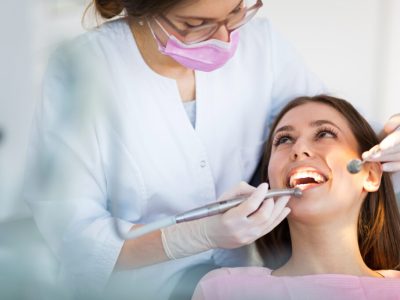
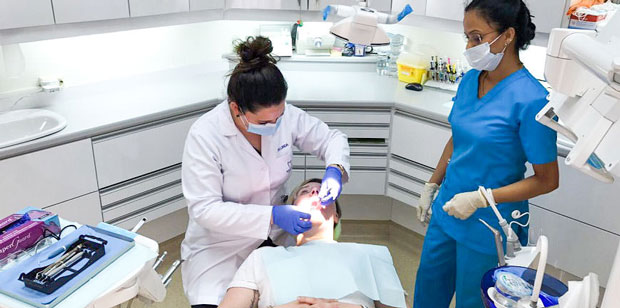
A comprehensive consultation with a qualified cosmetic dentist starts with an evaluation of your dental health. Teeth must be structurally sound and free of active decay or gum disease before any cosmetic enhancement can take place. Once your foundation is healthy, you can explore the various pathways available to transform your appearance.
Popular Cosmetic Dental Treatments Explained
Professional Teeth Whitening
Teeth naturally darken over time due to aging and regular consumption of staining agents like coffee, tea, red wine, and dark berries. While over-the-counter whitening strips offer minor improvements, professional in-office whitening or custom-fitted take-home trays deliver dramatic results safely and quickly.
-
Best for: Surface stains, yellowing teeth, and overall brightening.
-
Durability: Results can last anywhere from six months to a few years, depending heavily on your lifestyle and dietary habits.
-
Procedure: A high-concentration bleaching gel is applied to the teeth, often activated by a specialized light to break down deep-set discoloration.
Porcelain Veneers
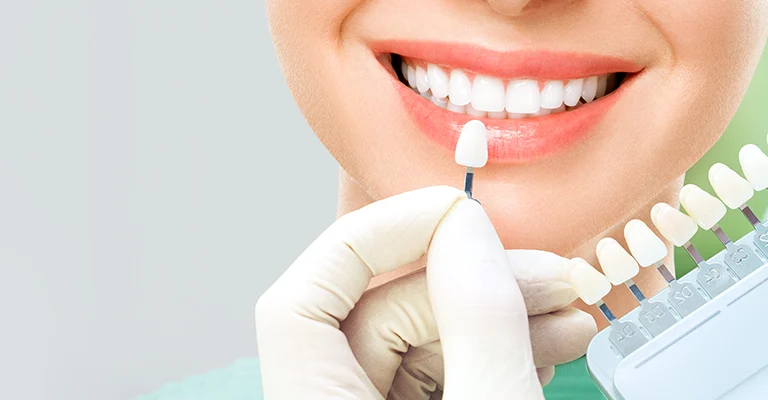
Veneers are ultra-thin, custom-made shells crafted from medical-grade porcelain that are permanently bonded to the front surface of your teeth. They are widely considered the gold standard of smile makeovers because they can simultaneously correct multiple aesthetic imperfections.
-
Best for: Severe discoloration, deep chips, stubborn gaps, minor alignment issues, and irregularly shaped teeth.
-
Durability: Extremely durable, often lasting between 10 to 15 years or longer with proper oral hygiene.
-
Procedure: A small amount of enamel is usually removed from the front of the tooth to ensure a flush fit, followed by digital impressions and the placement of permanent custom shells.
Dental Bonding
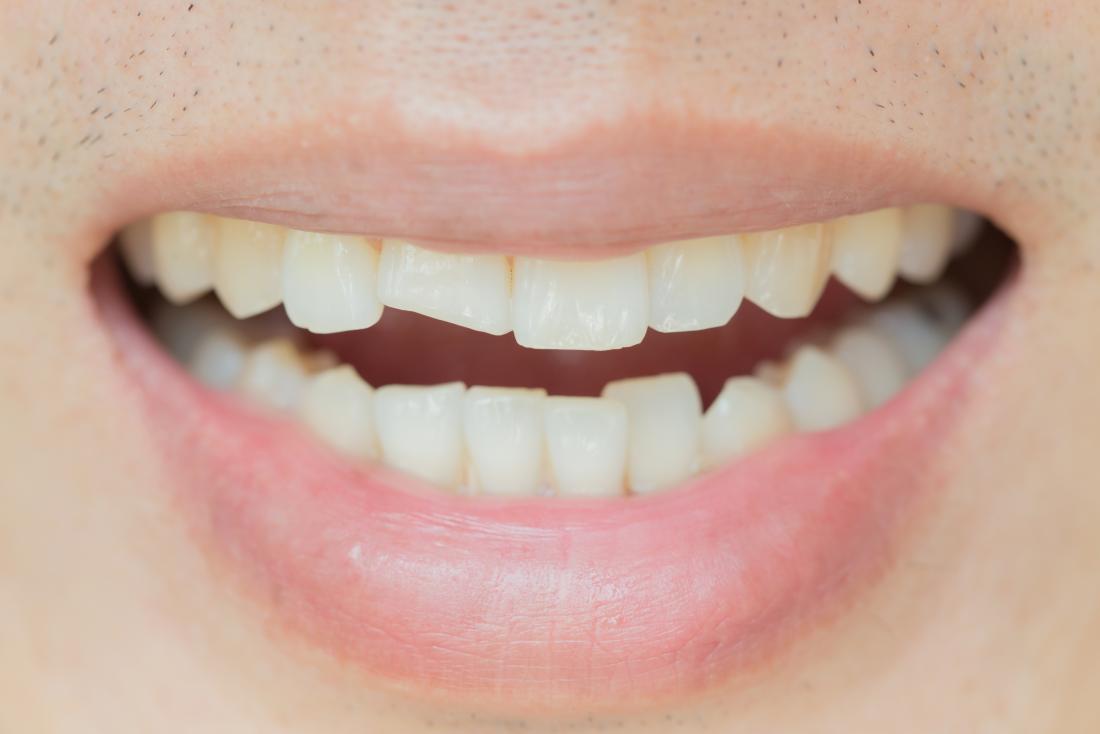
If you have a minor chip, a small crack, or a slight gap between your teeth, dental bonding is a cost-effective and conservative alternative to veneers. The dentist applies a tooth-colored composite resin directly to the tooth, sculpts it into the desired shape, and hardens it with a specialized curing light.
-
Best for: Minor chips, small cracks, localized gaps, and exposed tooth roots caused by receding gums.
-
Durability: Typically lasts between 3 to 7 years before needing touch-ups or replacement.
-
Procedure: The process is completed in a single visit without the need for dental lab fabrication, making it one of the fastest cosmetic fixes available.
Clear Aligners
Misaligned or crowded teeth do not just affect your appearance; they can also trap food particles, increase your risk of decay, and cause uneven wear on your bite. Clear aligner therapy uses a series of custom, removable plastic trays to gently shift your teeth into their proper alignment over time.
-
Best for: Crooked teeth, mild to moderate crowding, and spacing issues.
-
Durability: Permanent, provided you wear a retainer consistently after treatment concludes.
-
Procedure: Digital scans map out your teeth movement trajectory, and you switch to a new set of clear trays approximately every one to two weeks.
Dental Crowns
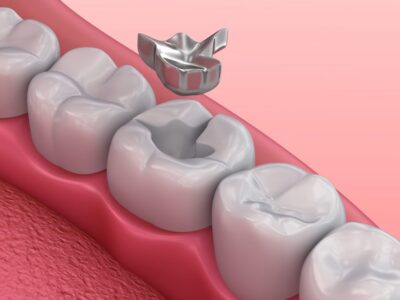
While crowns are often categorized as restorative treatments because they protect damaged teeth, they also serve a significant cosmetic function. A crown completely encases the visible portion of a tooth that sits above the gum line, restoring its original shape, strength, and appearance.
-
Best for: Severely decayed teeth, weak or fractured teeth, and teeth with large fillings that need structural reinforcement.
-
Durability: Can last 15 years or longer with dedicated brushing, flossing, and routine dental checkups.
-
Procedure: The tooth is reshaped to accommodate the crown, an impression is taken, and a durable custom cap is cemented into place.
Comparing Options: What to Consider
Selecting the right procedure requires balancing multiple factors. To help narrow down your options, consider the following checklist during your evaluation process:
-
Invasiveness: Some procedures require altering natural tooth structure, while others are entirely non-invasive.
-
Timeline: Certain treatments like bonding and whitening can be finished in a single appointment, whereas aligners and veneers require a multi-step process.
-
Maintenance: Understand how your chosen treatment reacts to staining foods, grinding, or daily wear and tear.
-
Cost vs. Value: While treatments like bonding are budget-friendly upfront, veneers or crowns offer greater longevity and long-term value for structural repairs.
Maintaining Your Investment
Once you achieve your ideal smile, protecting your investment requires consistent daily habits. Cosmetic enhancements do not make your teeth immune to decay or gum disease. Brush at least twice a day with a non-abrasive fluoride toothpaste, floss daily to remove plaque between tight spaces, and wear a nightguard if you suffer from teeth grinding. Regular professional cleanings every six months ensure that your cosmetic work remains pristine and your underlying oral health stays robust.
Frequently Asked Questions
Can cosmetic dental treatments be financed or paid for in installments?
Many dental practices partner with third-party medical financing companies that offer flexible payment plans, including zero-interest promotional periods, making high-end procedures more accessible.
Does dental insurance cover cosmetic procedures like veneers or whitening?
Standard dental insurance policies rarely cover elective cosmetic treatments because they are deemed medically unnecessary. However, if a procedure like a crown serves a dual restorative and cosmetic purpose, partial coverage may apply.
Are there any age restrictions for getting cosmetic dental work done?
Cosmetic treatments are generally recommended only after permanent adult teeth have fully erupted and facial growth is complete, which usually occurs around late adolescence.
How do I know if my gums are healthy enough for cosmetic procedures?
Your dentist must evaluate your periodontal health to ensure there is no active gum disease, inflammation, or bone loss. Healthy gums are essential because they provide a stable foundation for restorations like veneers and crowns.
Can stained or yellow porcelain veneers be whitened?
No, professional bleaching agents only work on natural tooth enamel. If porcelain veneers or composite bonds become stained or discolored over time, they cannot be bleached and must be professionally polished or replaced by your dentist.
What happens if a dental veneer cracks or falls off?
If a veneer becomes damaged or dislodged, save the piece if possible and contact your dentist immediately. Avoid chewing on that side of your mouth to prevent further damage to the underlying tooth structure until you can be seen for repair.
What is the primary cosmetic concern you would like to address first with your dentist?
What is your reaction?
Excited
0
Happy
0
In Love
0
Not Sure
0
Silly
0