 By
By Athletes push their bodies to remarkable limits, whether they are running marathons, lifting heavy weights, or competing on soccer fields. This high level of physical exertion inevitably brings the risk of injury. When a muscle tears, a ligament stretches, or a joint gives out, the road to recovery can feel daunting. Physical therapy serves as the critical bridge between the initial trauma and a safe, full return to athletic performance.
Rather than simply waiting for tissue to heal on its own, physical therapy utilizes targeted movement, scientific principles, and specialized rehabilitation techniques to restore strength, mobility, and confidence. Understanding how this process works helps athletes approach their recovery with clarity and purpose.
The Anatomy of a Sports Injury
Sports injuries generally fall into two distinct categories: acute traumatic incidents and chronic overuse problems. Recognizing the difference is essential because each type requires a tailored rehabilitation approach.
-
Acute Injuries: These happen suddenly, often during a specific event such as a hard tackle, an awkward landing, or a sudden change of direction. Examples include anterior cruciate ligament tears, ankle sprains, shoulder dislocations, and bone fractures.
-
Overuse Injuries: These develop gradually over time due to repetitive microtrauma without adequate rest. Common examples include runner knee, tendinitis, shin splints, and stress fractures.
When an injury occurs, the body initiates a complex inflammatory and healing response. While rest is necessary in the immediate aftermath, prolonged inactivity can lead to muscle atrophy, joint stiffness, and scar tissue buildup. Physical therapy intervenes precisely to manage these secondary complications and guide the tissue remodeling process correctly.
The Initial Assessment and Diagnostic Phase
Every effective physical therapy journey begins with a comprehensive evaluation. A licensed physical therapist does not just look at the painful area; they examine the entire kinetic chain to understand how the body moves as a cohesive unit.
During the first session, the therapist will review the athlete medical history, assess the mechanism of the injury, and perform specific physical tests. These tests measure joint range of motion, muscle strength, flexibility, balance, and functional movement patterns. For instance, if an athlete comes in with knee pain, the therapist might evaluate hip stability and ankle mobility, because deficiencies in those areas often place excessive stress on the knee joint.
Based on this thorough assessment, the therapist designs a customized rehabilitation program tailored to the specific sport, competitive level, and personal goals of the athlete.
Phases of Physical Therapy Rehabilitation
Recovery from a sports injury is rarely a straight line. It follows a structured progression designed to heal tissue safely while gradually increasing physical demands.
Phase One: Managing Pain and Inflammation
In the beginning stages, the primary objective is to calm the injured area down. Therapists use various modalities to reduce pain and control swelling. Gentle passive movements are introduced early to prevent joint stiffness and maintain baseline circulation without overloading healing tissue.
Phase Two: Restoring Range of Motion and Flexibility
Once acute inflammation subsides, the focus shifts to restoring full joint mobility and muscle flexibility. Tight scar tissue can restrict movement and alter biomechanics, leading to secondary injuries. Targeted stretching, soft tissue mobilization, and joint mobilizations help bring the body back to its normal functional baseline.
Phase Three: Rebuilding Strength and Neuromuscular Control
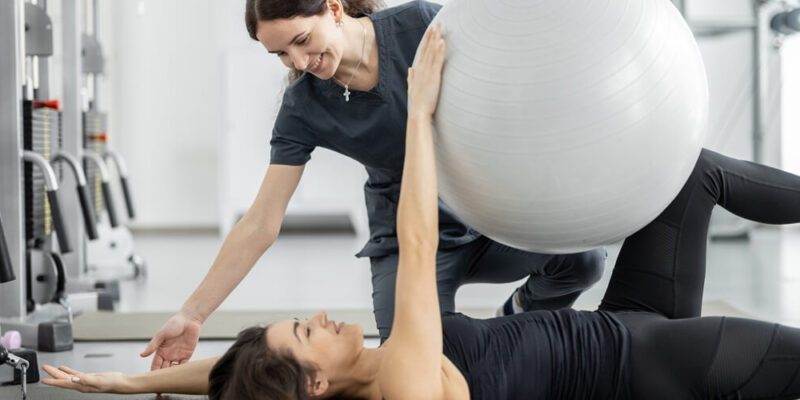
As mobility returns, progressive resistance training begins. This involves building strength not just in the injured muscle, but in the surrounding supporting musculature. Alongside strength, therapists emphasize neuromuscular control, which is the communication pathway between the nervous system and the muscles. Balance boards, stability pads, and single-leg exercises train the body to react quickly and protect joints from future harm.
Phase Four: Sport-Specific Functional Training
The final phase bridges the gap between basic rehabilitation and full athletic competition. The exercises become dynamic and mimic the exact movements required in the athlete sport. A soccer player will practice cutting, pivoting, and rapid acceleration drills, while a baseball pitcher will focus on shoulder deceleration mechanics and rotational power.
The Psychological Side of Sports Rehabilitation
Physical recovery is only half the battle. Suffering a major sports injury often takes a heavy psychological toll on competitive athletes. Feelings of anxiety, frustration, fear of re-injury, and isolation from teammates are entirely normal during long recovery periods.
Skilled physical therapists act as coaches and motivators, celebrating small milestones along the way. By breaking down the recovery process into manageable, measurable goals, they help athletes rebuild mental confidence. Trusting the body again is a vital milestone, and structured rehabilitation provides the psychological reassurance needed to return to high-intensity competition without hesitation.
Preventing Future Injuries
One of the most valuable aspects of physical therapy is education. A comprehensive rehab program does not end when the pain disappears and the athlete returns to the field. Therapists invest time in analyzing movement flaws, muscle imbalances, and postural habits that may have contributed to the initial injury.
Athletes leave physical therapy armed with customized warm-up routines, strength maintenance programs, and biomechanical cues. By addressing these underlying risk factors, they significantly reduce the likelihood of suffering the same injury twice, extending their athletic longevity and performance peak.
Frequently Asked Questions
Do I need a doctor referral to see a physical therapist for a sports injury?
Direct access laws vary by region, but in many places, patients can schedule an evaluation with a physical therapist without first seeing a physician. However, checking local regulations and insurance policy requirements beforehand is always recommended.
How long does sports physical therapy typically take?
Recovery timelines vary widely depending on the severity of the injury, the specific body part involved, and the individual healing rate. Minor sprains might require only a few weeks of therapy, whereas major surgeries like ligament reconstructions can take six to nine months of structured rehabilitation.
Will physical therapy exercises hurt?
Some discomfort is normal when working through stiffness and rebuilding weak muscles, but sharp or worsening pain should never occur. Physical therapists monitor pain levels closely and adjust techniques to ensure workouts remain productive without causing further damage.
Can physical therapy help avoid surgery?
Yes, for many non-complete tears and chronic overuse conditions, targeted physical therapy can successfully restore joint stability, strength, and function, allowing patients to bypass surgical intervention entirely.
What should I wear to my first physical therapy appointment?
Patients should wear comfortable, loose-fitting athletic clothing that allows easy access to the injured area. For example, wearing shorts is ideal for knee or lower leg injuries, while tank tops work best for shoulder assessments.
How often do I need to attend physical therapy sessions?
Most rehabilitation programs start with two to three in-clinic sessions per week, paired with a mandatory home exercise program that the patient must complete independently on non-clinic days to maintain continuous progress.
What is your reaction?
Excited
1
Happy
1
In Love
1
Not Sure
1
Silly
1