 By
By Life is unpredictable. From minor mishaps to unforeseen emergencies, being prepared can make all the difference. While no one wants to dwell on worst-case scenarios, equipping yourself with a trauma kit is a practical step towards safeguarding your well-being and empowering you to assist others in need. This article explores seven ways a well-stocked trauma kit can bring peace of mind and potentially save lives.
Think of it like this: having a spare tyre in your car. You hope you never need it, but you’re incredibly grateful when you do. A trauma first aid kit operates on the same principle, providing essential tools and supplies to manage injuries until professional medical help arrives. It’s about being proactive, not reactive, and taking control in situations where every second counts.
Enhancing your safety at home
Our homes should be our sanctuaries, but accidents can happen anywhere. From kitchen mishaps to falls, a home is not immune to injuries. Keeping a trauma kit readily accessible can provide immediate access to vital supplies for treating cuts, burns, and other common household injuries.
Consider the peace of mind knowing you have sterile dressings, antiseptic wipes, and even a tourniquet on hand. This preparedness can be especially reassuring for families with young children or elderly members who may be more prone to accidents.
Addressing common household injuries
A well-stocked trauma kit allows you to respond quickly and effectively to common household injuries, such as:
- Cuts and lacerations: Sterile dressings and antiseptic wipes can help prevent infection and promote healing.
- Burns: Burn cream and sterile gauze can provide immediate relief and protect the affected area.
- Sprains and strains: Bandages and cold packs can help reduce swelling and provide support.
Improving preparedness on the road
Whether you’re commuting to work, embarking on a road trip, or simply running errands, being prepared for roadside emergencies is crucial. A trauma kit in your car can be a lifesaver in the event of an accident, providing essential supplies to manage injuries until help arrives. Imagine being first on the scene of an accident – the contents of a well-stocked kit could be invaluable.
Think about the possibility of encountering a car accident while travelling. A trauma kit can equip you to provide initial aid to yourself or others involved, potentially making a critical difference in the outcome. Having items like gloves, bandages, and a resuscitation mask can help you act responsibly and safely in such situations.
Essential items for your vehicle kit
When assembling a trauma kit for your car, consider including these essential items:
- High-visibility vest: To ensure your safety while assisting others on the roadside.
- Emergency blanket: To help keep injured individuals warm and prevent hypothermia.
- CPR mask: To provide safe and effective rescue breaths.
Bolstering outdoor adventure safety
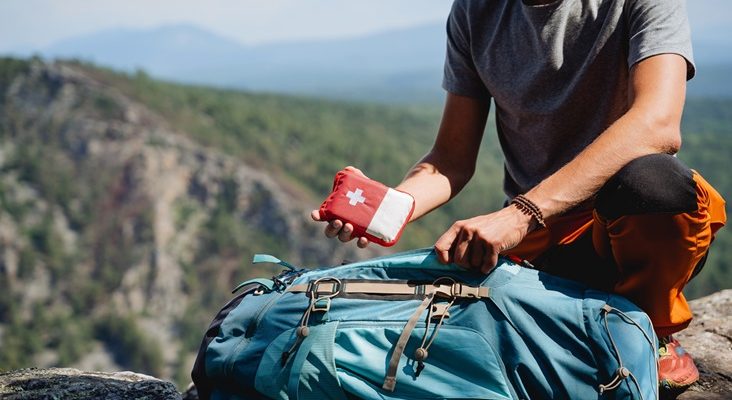
Exploring the great outdoors is a fantastic way to connect with nature and challenge yourself physically. However, outdoor activities also come with inherent risks. A trauma kit is an indispensable companion for any outdoor adventure, providing the necessary supplies to handle injuries sustained while hiking, camping, or participating in other outdoor pursuits.
Picture yourself hiking in a remote area and encountering a snake bite or a serious fall. Having a trauma kit with items like snake bite bandages, compression bandages and antiseptic wipes can be crucial for managing the situation until you can reach professional medical care.
Must-have items for outdoor adventures
When packing a trauma kit for your next outdoor adventure, be sure to include these essentials:
- Snake bite bandage: Essential for managing snake bites in snake-prone areas.
- Compression bandages: To control bleeding and provide support for sprains and strains.
- Antiseptic wipes: To clean wounds and prevent infection.
Enhancing workplace safety
Workplace injuries can occur in any industry, regardless of safety protocols. Having access to a trauma first aid kit can empower employees to respond quickly and effectively to injuries, minimising potential complications and promoting a safer work environment.
Consider a construction site, a factory floor, or even an office environment – accidents can happen anywhere. Equipping your workplace with accessible trauma kits demonstrates a commitment to employee well-being and can help mitigate the impact of workplace injuries.
Key components for a workplace trauma kit
A well-stocked workplace trauma kit or workplace first aid kits should include:
- Eye wash solution: To flush out irritants and prevent eye injuries.
- Burn cream: To treat burns sustained from equipment or chemicals.
- Gloves: To protect responders from exposure to bloodborne pathogens.
Supporting community events
Community events, while enjoyable, can also present opportunities for injuries to occur. Whether it’s a local sporting event, a festival, or a concert, having a trauma kit on hand can help ensure the safety and well-being of participants and attendees.
Imagine a scenario where someone suffers a fall during a sporting event or experiences a heat-related illness at an outdoor festival. Having a trauma kit readily available allows you to provide immediate assistance and potentially prevent the situation from escalating.
Essential supplies for community events
When providing first aid support at community events, ensure your trauma kit includes:
- Instant cold packs: To treat sprains, strains, and other injuries.
- Electrolyte replacement drinks: To help rehydrate individuals experiencing heat-related illness.
- Assorted bandages: To cover a variety of wounds.
Promoting personal safety and self-reliance
Beyond responding to specific emergencies, owning a trauma kit promotes a sense of personal safety and self-reliance. Knowing that you have the tools and supplies to handle unexpected injuries can empower you to take control in challenging situations and provide assistance to others in need.
Think about the feeling of confidence that comes from knowing you’re prepared for the unexpected. A trauma kit is more than just a collection of supplies – it’s a symbol of your commitment to safety and your ability to handle whatever life throws your way.
Building confidence in emergency situations
A trauma kit can help you develop the skills and confidence to respond effectively in emergency situations by:
- Familiarising yourself with the contents of the kit and how to use them.
- Practicing basic first aid techniques.
- Taking a first aid course to enhance your knowledge and skills.
Empowering you to assist others
Ultimately, owning a trauma kit is about more than just protecting yourself – it’s about empowering you to assist others in need. Whether it’s a family member, a friend, or a stranger, having the right tools and knowledge can enable you to provide life-saving assistance until professional medical help arrives.
Consider the impact you could have on someone’s life by being prepared to respond to an emergency. A trauma kit is an investment in your ability to make a difference and potentially save lives in critical situations. It’s about being a responsible and proactive member of your community.
Making a difference in critical moments
A trauma kit can empower you to make a difference in critical moments by:
- Controlling bleeding with tourniquets and pressure bandages.
- Providing basic wound care to prevent infection.
- Supporting breathing with CPR masks.
In conclusion, a personal trauma kit is more than just a collection of medical supplies; it’s a symbol of preparedness, self-reliance, and a commitment to the safety and well-being of yourself and others. By investing in a well-stocked kit and familiarising yourself with its contents, you can empower yourself to handle unexpected injuries, provide assistance in emergencies, and make a positive impact in your community. Being prepared is not about living in fear, but about living with confidence and the ability to respond effectively when needed.
Also Read: 5 essential items for your trauma kit: A life-saving checklist