
 By
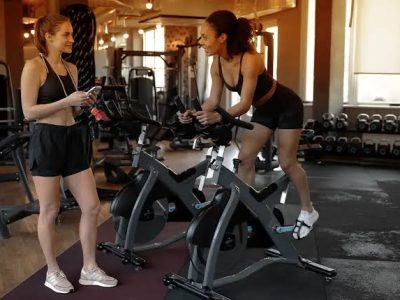
By Mental stress has quietly become one of the most common health challenges in Singapore. Long working hours, constant digital connectivity, commuting pressures, and limited personal downtime contribute to rising levels of anxiety, emotional fatigue, and burnout. While meditation apps and short breaks help, they often fail to address the physiological stress stored in the body. This is where structured cardio training, particularly indoor cycling singapore, plays a powerful role in restoring mental balance.
Indoor cycling is not only a physical workout. It actively reshapes how the brain and nervous system respond to stress. Through rhythm-based movement, controlled intensity, and immersive focus, indoor cycling helps regulate stress hormones, improve emotional resilience, and create a sustainable mental reset for people living fast-paced urban lives.
Understanding Stress and Anxiety in a Singapore Lifestyle
Stress is not just a mental state. It is a physiological response involving hormones such as cortisol and adrenaline. When stress becomes chronic, the nervous system remains in a constant state of alert, leading to fatigue, irritability, poor sleep, and reduced concentration.
In Singapore, common stress triggers include:
-
Long hours in sedentary office roles
-
Tight deadlines and performance pressure
-
Limited daylight exposure due to indoor work environments
-
Reduced opportunities for outdoor exercise during peak hours
Without a physical outlet to release accumulated tension, stress begins to affect both mental clarity and physical health.
How Indoor Cycling Influences the Brain and Nervous System
Indoor cycling activates multiple systems in the body that directly counteract stress and anxiety. Unlike passive relaxation techniques, cycling provides an active reset that recalibrates the nervous system.
Endorphin Release and Mood Elevation
One of the most immediate mental benefits of indoor cycling is the release of endorphins. These natural chemicals act as mood stabilisers and pain reducers, creating a sense of calm and positivity after each session.
Regular indoor cycling participants often experience:
-
Improved mood within minutes of completing a class
-
Reduced emotional reactivity to daily stressors
-
Greater sense of mental clarity after workouts
This effect is especially valuable for professionals who train before or after work.
Cortisol Regulation Through Physical Exertion
Cortisol is the body’s primary stress hormone. While it plays a useful role in short bursts, consistently elevated cortisol levels can disrupt sleep, digestion, and emotional balance.
Indoor cycling helps regulate cortisol by providing controlled physical stress. During a session, cortisol rises temporarily but drops significantly during recovery. Over time, this teaches the body to manage stress more efficiently.
Benefits include:
-
Lower baseline stress hormone levels
-
Reduced feelings of constant tension
-
Improved emotional stability during high-pressure situations
Rhythm, Focus, and Mental Flow in Indoor Cycling
Indoor cycling sessions often follow structured rhythms guided by music and instructor cues. This creates a state of focused attention similar to mindfulness.
Entering a Flow State
When cycling intensity matches mental engagement, participants enter a flow state where distractions fade and attention becomes fully absorbed in movement. This mental immersion provides relief from overthinking and worry.
Flow states achieved during cycling contribute to:
-
Reduced rumination and anxious thoughts
-
Improved ability to stay present
-
Enhanced emotional regulation
For individuals who struggle with traditional meditation, indoor cycling offers an accessible alternative.
Music and Emotional Regulation
Music plays a central role in RPM-style cycling. Tempo, rhythm, and progression align with physical effort, reinforcing emotional release.
Music-supported cycling can:
-
Trigger emotional catharsis during intense intervals
-
Promote calm during recovery phases
-
Enhance motivation and consistency
This combination of sound and movement creates a therapeutic experience rather than a purely physical workout.
Anxiety Reduction Through Predictable Structure
Anxiety often thrives on uncertainty. Indoor cycling classes provide structure, predictability, and clear progression, which helps reduce mental strain.
Each session follows a defined format, including:
-
Warm-up phase
-
Controlled intensity peaks
-
Planned recovery intervals
-
Cool-down and mental decompression
This structure creates a sense of safety and control, which is particularly beneficial for individuals managing anxiety.
Indoor Cycling and Sleep Quality
Poor sleep is both a cause and consequence of stress. Indoor cycling helps regulate circadian rhythms and promotes deeper, more restorative sleep.
Physical Fatigue and Nervous System Reset
Cycling engages large muscle groups, encouraging physical fatigue that supports natural sleep onset. At the same time, the nervous system shifts from a heightened alert state to recovery mode.
Consistent indoor cycling often leads to:
-
Faster sleep onset
-
Reduced nighttime restlessness
-
Improved sleep continuity
Better sleep directly supports emotional resilience and stress management.
Timing Considerations for Singapore Schedules
Evening classes are common in Singapore. When structured properly, indoor cycling does not overstimulate the nervous system. Cool-down phases and breathing techniques help transition the body toward rest rather than alertness.
Social Connection and Emotional Well-Being
Mental health is deeply influenced by social interaction. Indoor cycling classes foster a sense of community without the pressure of social performance.
Group Energy Without Social Pressure
Unlike team sports, indoor cycling allows participants to share energy while focusing inward. This balance supports emotional connection without anxiety-inducing comparison.
Social benefits include:
-
Reduced feelings of isolation
-
Shared motivation through group effort
-
Increased accountability and consistency
These factors contribute to long-term mental well-being.
Long-Term Mental Resilience Through Consistency
The greatest mental health benefits of indoor cycling emerge through consistency. Over time, regular participation strengthens emotional resilience and stress tolerance.
Long-term improvements include:
-
Increased confidence in managing stress
-
Reduced frequency of anxiety episodes
-
Improved emotional regulation under pressure
-
Greater sense of personal control and discipline
Facilities such as True Fitness Singapore provide structured environments that support long-term adherence, which is essential for mental health outcomes.
Integrating Indoor Cycling Into a Stress-Management Routine
To maximise mental benefits, indoor cycling should be part of a broader self-care strategy.
Effective integration includes:
-
Scheduling sessions at consistent times each week
-
Allowing recovery days to prevent burnout
-
Staying hydrated to support nervous system function
-
Pairing exercise with mindful nutrition and sleep habits
This holistic approach ensures cycling remains restorative rather than exhausting.
FAQ
Q: Can indoor cycling help with work-related stress?
A: Yes. Indoor cycling provides physical release, endorphin production, and mental focus, all of which help counteract work-related stress.
Q: Is indoor cycling suitable for people experiencing anxiety?
A: Many people with anxiety find indoor cycling helpful due to its structure, rhythm, and ability to redirect mental focus away from anxious thoughts.
Q: How quickly can indoor cycling improve mental well-being?
A: Some mood benefits are immediate after each session, while deeper stress regulation typically develops over several weeks of consistent practice.
Q: Does indoor cycling help with burnout symptoms?
A: Yes. Regular cycling supports emotional reset, improves sleep quality, and restores energy levels that are often depleted during burnout.
Q: Is it better to do indoor cycling in the morning or evening for stress relief?
A: Both work well. Morning sessions can set a positive tone for the day, while evening sessions help release accumulated stress.
Q: Can indoor cycling replace meditation for mental health?
A: While not a direct replacement, indoor cycling offers a moving form of mindfulness that many people find more accessible than seated meditation.
Q: How many sessions per week are ideal for mental health benefits?
A: Three to four sessions per week provide meaningful mental health improvements without overwhelming the nervous system.
Q: Does indoor cycling improve focus and productivity?
A: Yes. Improved blood flow to the brain and reduced stress hormones contribute to better concentration and mental clarity.