 By
By For many people in Singapore, daily life feels like a constant rush of meetings, traffic, and digital notifications. In this busy atmosphere, it can be difficult to stay focused and calm. One powerful way to restore balance is through vinyasa yoga, a style of yoga that integrates breath with movement. While the physical benefits of stronger muscles and improved flexibility are well known, the science behind the breathwork in vinyasa is often overlooked. Yet it is precisely this mindful breathing that transforms the practice into more than exercise, creating lasting changes in both body and mind.
Understanding the Role of Breath in Vinyasa
At the heart of vinyasa yoga is the concept of synchronising inhalation and exhalation with specific movements. Each transition in a sequence is matched with either a breath in or a breath out. This is not random but designed to regulate oxygen flow, activate the nervous system appropriately, and enhance mental clarity.
In scientific terms, this practice leverages the body’s autonomic nervous system. Breathing deeply in rhythm stimulates the parasympathetic branch, which calms stress responses, while maintaining enough energy for physical effort. This balance allows practitioners to push their limits without feeling overwhelmed.
The Physiology of Breath in Vinyasa Yoga
Breathing is not just about taking in air. It is about efficient gas exchange that fuels muscles and stabilises the nervous system. During vinyasa practice:
-
Inhalation expands the lungs, bringing oxygen into the bloodstream, energising the body for upward or opening movements.
-
Exhalation removes carbon dioxide and engages the diaphragm, often paired with folding or grounding poses that require release.
This rhythm supports endurance by preventing fatigue and sharpens focus by maintaining a steady flow of oxygen to the brain.
Effects on the Cardiovascular System
Controlled breathing lowers heart rate variability and improves circulation. This helps Singaporeans dealing with high-stress environments where elevated blood pressure is common. By practising rhythmic breathing regularly, the heart becomes more efficient, supporting long-term cardiovascular health.
Effects on the Nervous System
When breath and movement align, the vagus nerve is stimulated, lowering cortisol levels. This is why many practitioners report a sense of calm even after a vigorous class. In Singapore where mental health has become a growing concern, this effect is particularly valuable.
Linking Breath and Movement in Daily Life
One of the strongest advantages of vinyasa yoga is that its breathing techniques are not limited to the mat. The same methods can be applied in everyday situations. For example:
-
In stressful meetings: Slow, deep breathing can steady nerves and improve decision-making.
-
During long commutes: Rhythmic breaths reduce tension and irritability.
-
Before sleep: Focused exhalations prepare the body for rest.
This integration makes vinyasa yoga not just a form of exercise but a toolkit for coping with urban life.
Breath as Moving Meditation
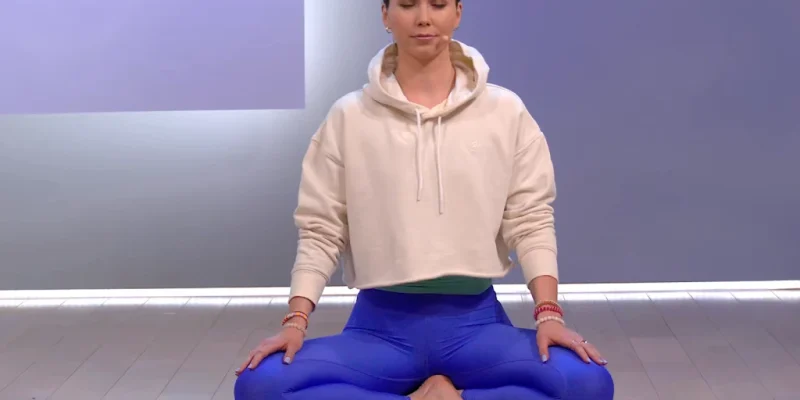
The linking of breath and movement transforms a physical workout into a form of meditation. The constant focus on inhaling and exhaling prevents the mind from wandering to work emails or daily stress. This moving meditation enhances mindfulness without requiring stillness, which many busy Singaporeans find difficult. Instead of forcing the mind to be quiet, the breath creates a natural rhythm that calms it.
Scientific Research on Breathwork
Studies show that mindful breathing:
-
Reduces anxiety by calming the amygdala, the brain’s fear centre.
-
Improves focus by increasing activity in the prefrontal cortex, responsible for concentration.
-
Boosts immune response by regulating inflammation.
These findings align with what practitioners experience during vinyasa yoga. The science confirms that the breath-movement connection goes beyond relaxation, it contributes to overall health and wellbeing.
How Vinyasa Breath Differs from Normal Breathing
Most people breathe shallowly, using only the upper chest. This limits oxygen intake and keeps the body in a semi-stressed state. Vinyasa yoga teaches diaphragmatic breathing, where the belly expands and contracts fully. This deeper form of breathing:
-
Brings more oxygen to muscles.
-
Promotes better lung capacity.
-
Shifts the body from stress response to relaxation.
For Singaporeans living in high-pressure environments, learning to breathe this way can have lasting health benefits.
Practical Steps to Master Breath in Vinyasa
Breathwork is a skill that develops over time. Beginners often find it challenging to coordinate every inhale and exhale with movement. The key is practice and patience.
Tips for Beginners
-
Start with awareness: Focus on breathing deeply without changing movements.
-
Use cues: Link upward poses like reaching arms to inhalation, and downward poses like folding forward to exhalation.
-
Pause if needed: Take child’s pose to reset breath before continuing.
-
Count breaths: Use slow counts of 3–4 seconds for both inhale and exhale.
Community and Breath Awareness
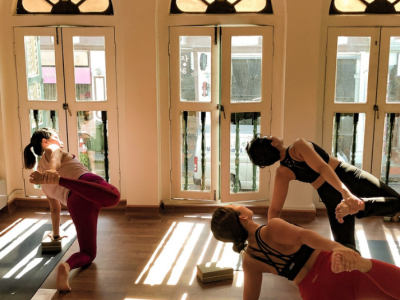
Practising in a class environment makes it easier to stay in rhythm. The collective sound of breath in a studio creates a shared energy that motivates everyone to maintain focus. Experienced instructors can guide students to refine their breathing techniques, ensuring safety and effectiveness. At trusted studios such as Yoga Edition, instructors emphasise the science of breath alongside physical movement, creating a complete learning experience.
The Long-Term Benefits of Breath-Centred Practice
Consistency in breath-focused vinyasa yoga creates long-term improvements in health. Practitioners often report:
-
Greater emotional balance in stressful situations.
-
Improved endurance for work, study, or sports.
-
Enhanced sleep quality through better nervous system regulation.
-
Stronger immunity due to reduced chronic stress.
This is not about mastering complex poses, but about using breath as the foundation for sustainable wellness in Singapore’s fast-paced lifestyle.
FAQs on Breath in Vinyasa Yoga
Q. Why is breath so important in vinyasa yoga compared to other exercises?
A. Unlike standard workouts where breath is incidental, in vinyasa yoga it is the central guide. It controls rhythm, reduces stress, and ensures efficient energy use.
Q. Can I still benefit if I cannot synchronise every breath with movement?
A. Yes. The benefits begin as soon as you bring awareness to breathing. With practice, coordination improves, but even partial alignment creates positive effects.
Q. How can controlled breathing help during work stress in Singapore?
A. By lowering cortisol and slowing the heart rate, controlled breathing creates calmness. This improves focus during meetings or deadlines.
Q. Will vinyasa yoga improve lung capacity for non-athletes?
A. Absolutely. Deep, diaphragmatic breathing strengthens respiratory muscles, improving lung efficiency for both everyday living and physical activity.
Q. Is breathwork safe for everyone, including seniors?
A. Yes. Breath-focused practice can be adapted to all ages. Seniors especially benefit from increased lung function and stress regulation.